Polar Bear Care
Leatherdale International Polar Bear Conservation Centre
Opened in 2012, the Leatherdale International Polar Bear Conservation Centre (LIPBCC) is a hub for wildlife education, research, and conservation.
The Centre was built with the financial support of the Province of Manitoba and is part of the Polar Bear Protection Act and the Province’s strategy to provide a home to select polar bears that would otherwise not survive in the wild. The Centre is named after Doug and Louise Leatherdale who supported Journey to Churchill and have a strong interest in polar bear care and conservation.
The Centre is home to Assiniboine Park Conservancy’s Conservation and Research department. This team coordinates and leads wildlife conservation and research projects focusing on many species of importance to both the Zoo and our visitors.
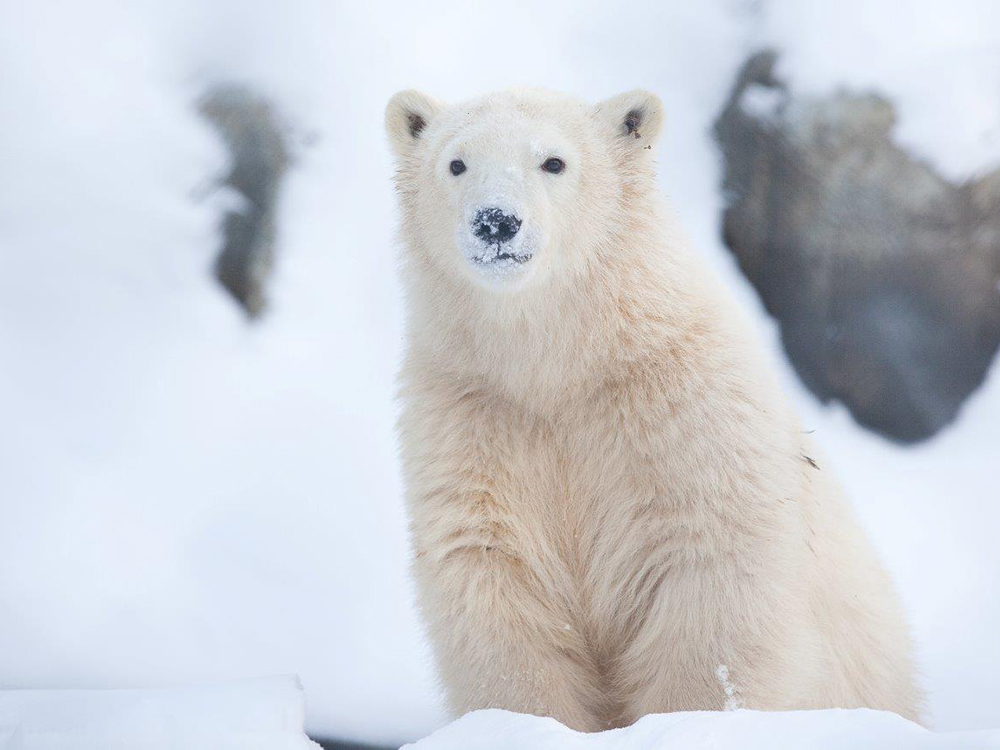
Polar Bear Rescue & Care Team
Who We Are
The Assiniboine Park Conservancy's Polar Bear Rescue & Care Team is a group of animal care professionals consisting of veterinary staff, animal husbandry experts and conservation scientists that are called to action by the Government of Manitoba when there are polar bear cubs in need of rescue.
Why Rescue Polar Bears?
Polar bears are an important part of the natural heritage and culture of Manitoba, so much so, that it is the only Province or Territory in Canada with special legislation dedicated to polar bears called the Polar Bear Protection Act. In 2010, this Act was amended to recognize that climate change was threatening polar bear habitat and that polar bears in human care could act as ambassadors for wild polar bears and for the Province. Research has shown that if a polar bear cub becomes an orphan in its first year of life it will not survive. However, if these young polar bears are rescued and brought into human care they could help connect people to nature in ways that inspire them to join us in trying to protect the environment.
How Do You Rescue an Orphan Polar Bear?
Polar bears can only be brought from the wild into our Zoo under very special circumstances and this decision is made by wildlife conservation officers and the Government of Manitoba. Although the policy has changed over time, currently, only polar bears who are orphaned because their mother was killed during conflict with humans will be rescued. If the bear is deemed to be a candidate, Zoo staff work with wildlife officials to safely transport it to the Assiniboine Park Zoo. All new animals coming to the Zoo undergo a 30-day quarantine period, and polar bears spend that time at the LIPBCC. We call the period from when the polar bear cub reaches the centre to when it moves to Journey to Churchill the transition period, as they move from a life in the wild to one in human care. Much like in the wild, there is a lot to learn during this time period, and the animal care staff take this process very seriously.
The Future of Polar Bears in Our Care
Orphaned polar bear cubs that have been raised in human care cannot be released back into the wild, as they would not be capable of surviving on their own. Polar bears may eventually be moved to other accredited facilities outside of Manitoba to act as ambassadors for Churchill, Manitoba, and the species. In this role, they are meant to connect people to northern ecosystems and inspire them to make changes in their lifestyle to conserve these regions. To protect polar bears that are moved out of the IPBCC, Manitoba retains ownership of all bears and their offspring.
Legislation
Polar Bear transition to the LIPBCC is carried out under the direction of the Government of Manitoba in compliance with provincial legislation: Polar Bear Protection Act, Amendment, The Wildlife Act.
Support the Polar Bear Rescue & Care Team
As a global leader in polar bear care, Assiniboine Park Zoo is home to one of the most comprehensive northern species exhibits in the world, providing a safe haven for rescued polar bear cubs that could not survive on their own in the wild.
Here, these bears inspire millions of visitors to care about the future of polar bears and the fragile Arctic they call home. We take action when called upon by the Province of Manitoba to assist them in the rescue of vulnerable bears and provide the expert care they need.
With your support, the Polar Bear Rescue & Care Team provides essential nutrition, comfortable habitats, and exceptional daily care to ensure the highest standard of well-being for this iconic species.
It takes a huge amount of planning and resources to care for these polar bears. But we can only do this with your support. Please give today.
Donations can also be made by calling 204-927-8080 or in person at The Pavilion or at the Zoo entrance (2595 Roblin Blvd.)
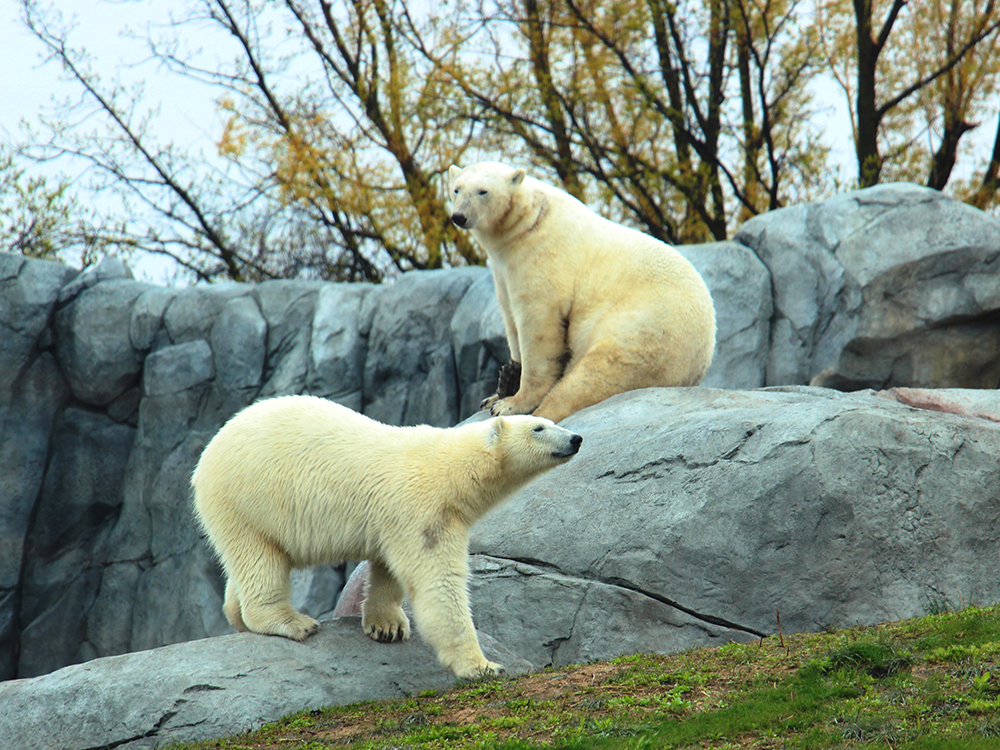
International Polar Bear Conservation Centre Advisory Board
The 2010 Polar Bear Protection Amendment Act (International Polar Bear Conservation Centre) formed an Advisory Board to provide external advice regarding polar bears to both Assiniboine Park Conservancy and the Province when requested. There are eight seats and both parties have one seat and can appoint three other members. All members have significant experience managing polar bears in human care, living with polar bears, or studying polar bears in the wild. The members meet approximately once per year, or as needed, and Assiniboine Park Conservancy covers the costs associated with this Advisory Board.
Members of the Committee change over time. If you are interested in the current membership please contact current Co-Chair, Dr. Stephen Petersen, at spetersen@assiniboinepark.ca.
Dr. Stephen Petersen is the Director, Conservation and Research for Assiniboine Park Zoo and Co-Chair of the IPBCC Advisory Committee.
Stephen started his education at the University of Alberta then moved to Nova Scotia to study the phylogenetics of southern flying squirrels for his Master of Science. He then completed a PhD at Trent University in Ontario studying population genetics of Arctic mammals (polar bears, ringed seals, Peary caribou). Following his doctoral research, Stephen moved to Winnipeg to work at Fisheries and Oceans Canada on the genetics of Arctic marine mammals (ringed seals, narwhal, beluga, bowhead, and killer whales). Stephen is also an Adjunct Professor at both the University of Winnipeg and the University of Manitoba, a past-president of the Manitoba chapter of The Wildlife Society, and serves on the Terrestrial Mammal sub-Committee of COSEWIC (the Committee on the Status of Endangered Wildlife in Canada).
Polar Bear Rescue & Care Team efforts made possible with support from Calm Air